Technology can make learning more responsive. It can help students encounter content at the right pace, revisit a difficult idea, and receive support when they need it.
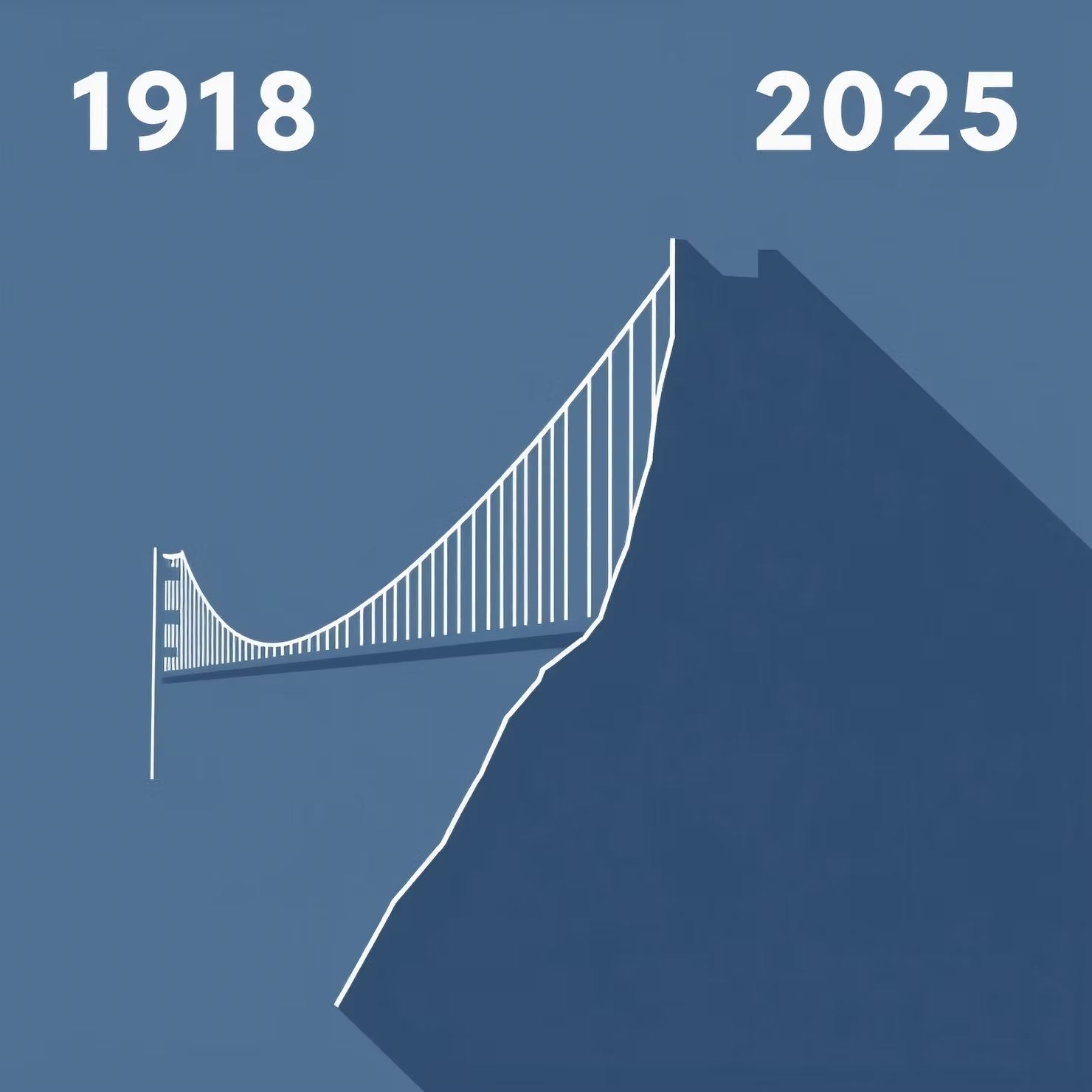
But personalized content is only one part of the equation. Completing a module-or even understanding a concept-does not automatically mean a student can use that skill when the stakes are real: in an unfamiliar conversation, after a setback, or when it is time to ask for help.
That is the gap TraxxSkills is designed to address. We build durable skills through a sequence of learning, practice, behavioral choice, and real-world application—so students have opportunities to carry a skill beyond the screen and into college life. Research and federal education guidance similarly emphasize that technology works best when it supports meaningful learning experiences, not simply content delivery. (IES, Using Technology to Support Postsecondary Student Learning)
What Adaptive Learning Gets Right
Adaptive learning can make education more responsive to the learner. It can help students revisit concepts, move at an appropriate pace, and receive feedback that is connected to their progress.
Those capabilities matter. When technology is designed around clear learning goals and supported by effective instructional practice, it can strengthen postsecondary learning rather than simply add another layer of content. (Institute of Education Sciences, Using Technology to Support Postsecondary Student Learning)
But responsiveness should not be confused with transformation. A system can tailor what a student sees next without building the habits required to act differently outside the learning environment.
The Transfer Gap
Learning becomes more durable when students have opportunities to do more than receive information. They need to make choices, practice a response, reflect on what happened, and try again in situations that feel consequential.
This is especially important for skills such as asking for help, recovering after a setback, reading a social situation, or following through on a plan. These are not skills a student simply “completes.” They develop through repetition and application over time.
Research on generic skills in higher education similarly points to the importance of learning conditions that support practice and transfer, rather than treating broad capabilities as knowledge students can absorb in isolation. (Systematic Review of Learning Generic Skills in Higher Education)
This is why TraxxSkills pairs short, structured lessons with practice and field tasks. The goal is not more content. It is learning that students can use when it counts.
From Content to Practice
Durable skills do not develop through information alone. Students need a clear opportunity to encounter a skill, recognize how it shows up in their own lives, make a choice, and practice using it.
At TraxxSkills, each skill is introduced through a short, structured learning experience and then extended beyond the lesson:
- Scenario: Students encounter a recognizable challenge or decision point.
- Practice: They work through the skill in a focused, low-stakes setting.
- Field task: They apply it in their own week, outside the app.
- Reflection and reinforcement: They consider what happened and continue building from that experience.
This sequence matters because the goal is not simply to help students understand a skill. It is to help them use it-when they need to make the first move, stay with a difficult situation, recover after a miss, or ask for support.
Measuring More Than Completion
Completion data can show whether students opened a lesson or finished an activity. It cannot, on its own, show whether a skill is becoming part of how they respond outside the app.
TraxxSkills’ Behavioral Persistence Index (BPI) is designed to help examine that broader picture at the cohort level. It brings together signals of engagement, behavioral choice, and skill transfer across the learning journey.
This is not an individual early-warning system, a judgment of a student’s character, or a replacement for the people who support students. It is a way to understand whether a cohort is engaging with the work, practicing the skills, and carrying them into real contexts over time.
That distinction is important: the goal is not simply more data. It is more meaningful evidence about whether learning is holding.
Built for College Life, Not Just the Classroom
Students often understand what they are “supposed” to do. The harder question is whether they can act on that understanding when they are overwhelmed, uncertain, disappointed, or navigating a situation with other people.
That is why TraxxSkills is designed around the moments that shape persistence: beginning before you feel fully ready, making an ask, staying with discomfort, adjusting after a setback, and coming back in after you have pulled away.
The program creates structured opportunities for students to practice these skills through field tasks and shared real-world experiences. The aim is not to simulate every challenge students will face. It is to give them a repeatable way to recognize a moment, choose a response, and build from what happens next.
Technology Should Support the Work-Not Replace It
Technology can help make learning more consistent, accessible, and visible. But it cannot do the work of practice for a student, or replace the relationships and campus supports that help students persist.
A responsible approach to student-success technology should be:
- Purposeful: Designed around a clear learning objective, not technology for its own sake.
- Human-centered: Built to complement advising, tutoring, faculty, and peer support—not replace them.
- Transparent: Clear about what information is collected, how it is used, and what it cannot determine.
- Grounded in practice: Focused on whether students can apply a skill beyond a screen.
For TraxxSkills, the standard is simple: technology should help students build durable skills and help institutions understand whether that learning is taking hold at the cohort level.
A Better Standard for Learning
The future of learning is not just more personalized content. It is learning designed to stay with students after the lesson ends.
That means creating experiences that help students recognize a challenge, make a choice, practice a response, and apply a skill in the parts of college life that matter most. It also means measuring progress with care-looking beyond completion to the patterns that suggest whether learning is being used and sustained.
TraxxSkills is built around that standard: durable skills, practiced in sequence, tested where the stakes are real, and strengthened over time.

Sources:
- Institute of Education Sciences. (2019). Using Technology to Support Postsecondary Student Learning: A Practice Guide for College and University Administrators, Advisors, and Faculty.
- Tuononen, T., Hyytinen, H., Kleemola, K., Hailikari, T., Männikkö, I., & Toom, A. (2022). Systematic Review of Learning Generic Skills in Higher Education-Enhancing and Impeding Factors. Frontiers in Education, 7, 885917